On the other side of the Atlantic from Wall Street, a market — more wholesome than cutthroat — has sprung up at the Paris Olympics. The commodity at the center of it all? Pins.
The city has seen an influx of collectors from all over the world, each eager to begin or expand their Olympic pin collection and share their stories.
“People are wired to trade,” asserts Craig Robbins, a passionate pin collector from Los Angeles. “Human beings, we want to trade. In life, if you cannot exchange, you die.”
“Do you have any pins?” a Starbucks barista asks every journalist who comes in for coffee at the Palais des Congrès, the Olympics’ main press center.
From bustling coffee shops to quiet streets, the same question has been echoing all over town, as Olympic volunteers, athletes, media workers, waiters, tourists and more all look for the same prized accessories.
“You can really feel the craze this year,” says French pin collector Laurent Facy.
The quest for pins has become an integral part of the Olympics, adding another layer of excitement to the Games. “It’s become a game; we trade a little bit like we used to at the playground,” he says.
Where did the pin craze start?
The tradition can be traced back to the first modern Olympic Games, revived by Pierre de Coubertin in 1896. In Athens, little cardboard badges were sported by athletes, coaches and reporters for identification.
More than a century on, the badges have stretched and evolved into extremely detailed, intricate and, at times, technological pins, customized to participating countries, news organizations, brands and even people.
“They’re like little pieces of art,” passionately declares Nicholas Wolaver, a dedicated American collector and trader.
Los Angeles 1984 was pivotal, according to the many pin traders on the streets — that’s where many of them started collecting.
“You had media pins, sponsor pins, athlete pins, mascot pins,” Wolaver says of those Games. “They found a way to really monetize pins for the public, and people were going crazy.”
The Paris 2024 pins
After two Olympics held without spectators amid the coronavirus pandemic, the pin pandemonium has resurged.
“Paris has been very good for pin collecting because after the pandemic, where you could not trade pins so much in Tokyo and Beijing, people are very excited,” Wolaver explains.
The pins’ popularity has been boosted by social media and the fact that Olympians themselves are getting in on the game. Serena Williams, a former Olympian, described herself as a “first-class pin collector” in a video on the Olympics’ official Instagram account. She even has her favorites: “There [are] a couple of Thailand ones I’ll by no means commerce. I lastly was capable of nab the North Korean pin.”
Britain’s Andy Murray, the tennis participant who simply retired in Paris, can also be all-in pin buying and selling, in accordance with former tennis participant Laura Robson on Eurosport.
“There’s one athlete from Liechtenstein and (Andy) was looking the village excessive and low for him to attempt to discover this poor man,” she stated.
One of many buzziest pins at these Olympics is Snoop Dogg’s, which options the rapper-turned-NBC correspondent blowing smoke within the form of the Olympic rings.
“What’s actually cool is that Snoop Dogg made the youngests all for pins too,” Robbins says.
How you can qualify for Olympic pin buying and selling
The attraction of pin buying and selling lies in its accessibility and inclusiveness. Whereas the official Olympic competitors is confined to stadiums, pin buying and selling takes place all over the place — even on-line.
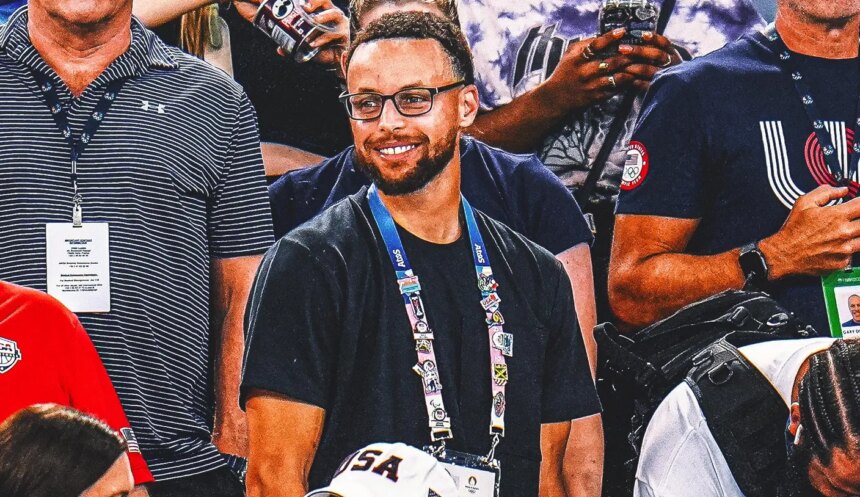
Carrying garments appears to be the only situation for collaborating. Merchants and collectors adorn themselves — their badges, their shirts, their hats — with mosaics of multicolored pins, glowing within the Paris summer season gentle.
Merchants can spot one another from a distance, admiring one another’s weighty assortment. The sight of a fellow collector’s vibrant show is commonly greater than sufficient to spark a dialog.
“Pins break down the partitions the place folks can begin speaking to one another,” explains Robbins.
“It was only a good strategy to meet folks,” provides Arr Alansod, sitting subsequent to him on the street.
And it would not simply facilitate dialog with fellow lovers. The pins function a draw for curious vacationers and Olympics newcomers.
“You get to satisfy lots of people,” says Paul Ians, one other American customer and collector. “It’s not a lot the opposite pin merchants, it’s the common people who find themselves coming to the Olympics.”
All appear to agree pins are a bridge between folks, making a platform for fascinating encounters: “Loads of the time these strangers will let you know one thing you don’t know,” Ians says.
Typically these strangers are a bit higher-profile: In his 40 years of buying and selling, French President Emmanuel Macron and Worldwide Olympic Committee President Thomas Bach are a few of Wolaver’s proudest exchanges.
In essence, every pin holds a narrative, and thru buying and selling, folks turn out to be storytellers, handing out items of their very own private, usually Olympic story.
Reporting by The Related Press.